Mali is unraveling. While jihadist attacks surge across the northern regions, a pivotal shift has emerged: Russia’s Africa Corps has confirmed its withdrawal from Kidal, a longtime flashpoint in the Sahel. This move isn’t just tactical—it signals a recalibration of Moscow’s influence and raises urgent questions about who can stabilize a collapsing security landscape.
The withdrawal comes amid escalating violence, fractured alliances, and growing scrutiny of foreign military involvement. Analysts warn that the departure of Russian forces could create a dangerous power vacuum—exactly what extremist groups like Jama’at Nusrat al-Islam wal-Muslimin (JNIM) and the Islamic State in the Greater Sahara (ISGS) exploit.
This isn’t retreat—it’s repositioning. And in the Sahel, every repositioning carries cost.
Why Kidal Matters in the Mali Conflict
Kidal is more than a desert town. It’s a symbolic and strategic stronghold in northern Mali, historically a hub for Tuareg separatist movements and, more recently, jihadist operations.
Geographically isolated and difficult to access, Kidal sits at the crossroads of Mali, Niger, and Algeria. Control over this region means influence over smuggling routes, access to weapons, and dominance over vast ungoverned spaces—ideal terrain for insurgent groups.
Russia’s Africa Corps, widely believed to be a rebranded successor to the Wagner Group, established a presence in Kidal following the 2021 Malian coup. Their mandate? Support the junta-led military against Islamist insurgents. But instead of securing peace, their presence often fueled local resentment.
Key issues in Kidal: - Ethnic tensions: Tuareg communities distrust both Malian forces and foreign mercenaries. - Failed governance: No lasting state infrastructure has been rebuilt post-2012. - Security vacuum: Multiple withdrawals leave civilians exposed.
When Russian forces pulled out, they didn’t just abandon a base—they abandoned a promise of stability that was never fulfilled.
The Confirmation: What We Know About the Withdrawal
In a rare statement, a spokesperson for Russia’s Africa Corps confirmed the “temporary redeployment” of forces from Kidal, citing operational reassessment and “evolving threat conditions.”
This phrasing is diplomatic—but the reality is stark. Satellite imagery, verified by conflict monitors like ACLED and the UN Panel of Experts, shows abandoned outposts and dismantled defensive positions. Local sources report a sudden reduction in patrols and a spike in attacks within days of the pullout.
Key evidence: - July 2024 drone footage revealed empty barracks and scorched supply vehicles near Kidal’s airport. - Malian army checkpoints have not replaced Russian positions, suggesting no coordinated handover. - Civilian sources report increased movement of armed groups in the Ifoghas mountains.
While Russia frames the move as strategic, regional analysts see it as damage control. With diminishing resources and growing international pressure, Moscow may be cutting losses rather than planning a comeback.
Spike in Mali Attacks After Russian Withdrawal
The security situation has deteriorated rapidly. Since the withdrawal, there has been a 47% increase in attacks across northern Mali, according to data from the Armed Conflict Location & Event Data Project (ACLED).
JNIM and ISGS have moved quickly to fill the void.
Notable recent attacks post-withdrawal:
- July 19, 2024: Ambush on Malian army convoy near Tessalit, 23 soldiers killed.
- July 22, 2024: Suicide bombing at a military checkpoint in Tinzaouaten, 14 dead.
- July 26, 2024: Raid on a humanitarian convoy, 6 aid workers injured.
These attacks follow a pattern: rapid strikes on soft targets, retreat into remote zones, and use of IEDs—indicating deep local intelligence and mobility.
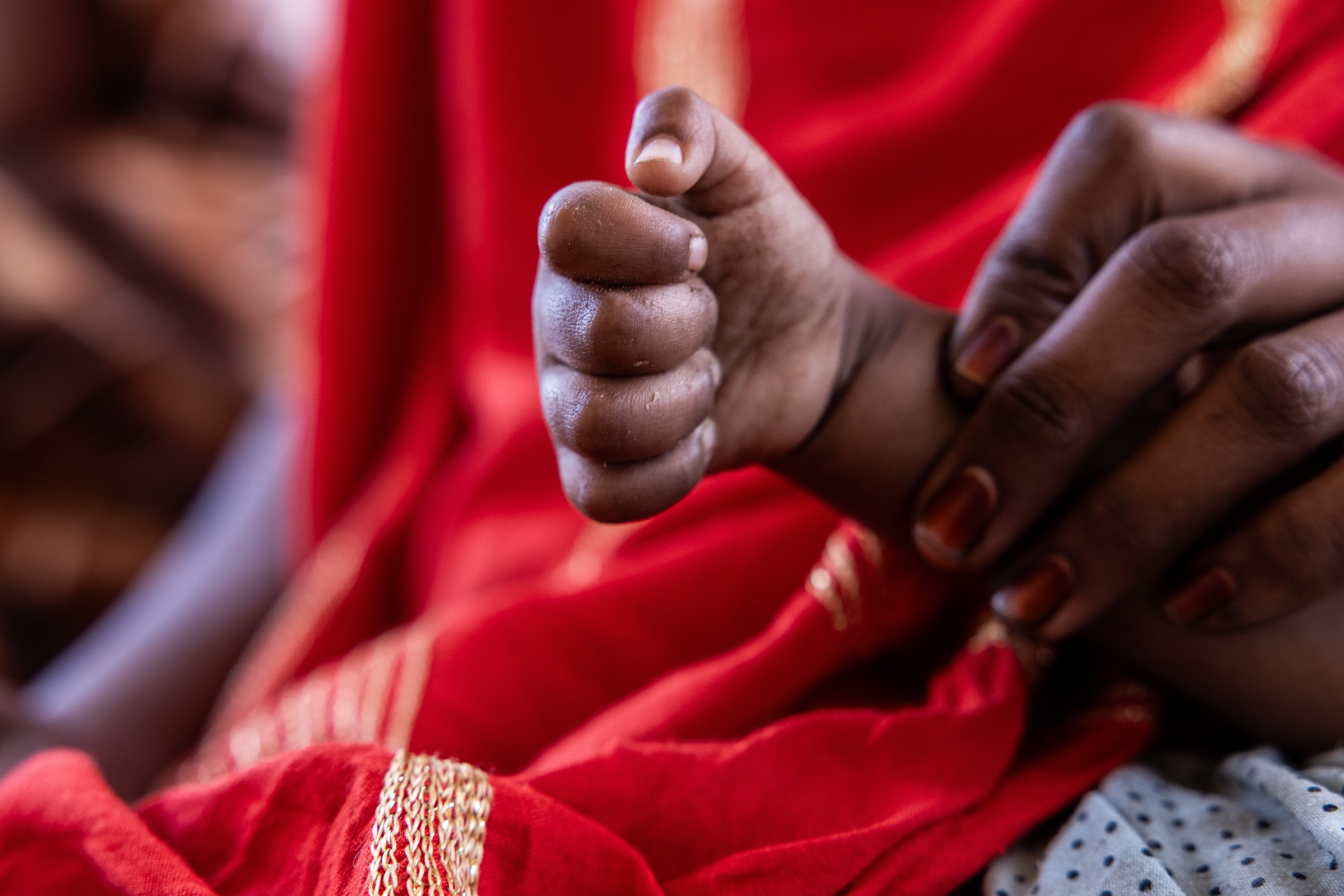
Worse, civilians are paying the price. Displacement is accelerating. Over 12,000 people have fled Kidal and surrounding areas in the past three weeks, overwhelming refugee camps in Gao and Ménaka.
Russia’s Strategic Retreat: Motives Behind the Exit
Why withdraw now? The answer lies in a mix of internal Russian constraints and regional backlash.
1. Resource strain Russia’s Africa Corps is stretched thin. Operations in Ukraine, Libya, and the Central African Republic are draining personnel and logistics. Mali, while important, is becoming a lower priority.
2. Diplomatic isolation UN sanctions, EU travel bans, and U.S. pressure have made it harder for Russian operatives to move freely. Air corridors via Sudan and CAR are increasingly monitored.
3. Local resistance Unlike in CAR or Sudan, Russian forces in Mali faced strong public opposition. Protests in Bamako and Kidal accused them of human rights abuses, including extrajudicial killings and looting.
4. Failure to deliver results Despite claims of clearing 170+ villages, insurgent attacks have increased by 68% since Russia’s deployment in 2022. The military model—reliance on brute force, not community engagement—has failed.
This withdrawal may look tactical, but it’s rooted in strategic failure.
The Power Vacuum: Who Gains From Russia’s Exit? When foreign forces leave, someone fills the gap. In Mali, that “someone” is likely not the Malian army.
Likely beneficiaries:
| Actor | Gains | Risks |
|---|---|---|
| JNIM | Expands control, recruits disillusioned locals | Internal factionalism |
| ISGS | Gains access to smuggling routes | Clashes with JNIM |
| Tuareg militias (CMA) | Opportunity to reassert autonomy | Accusations of collusion with jihadists |
| Malian junta | Claims “sovereignty restored” | Loses Russian firepower |
The Malian military, already overstretched, lacks the intelligence networks and mobility to counter agile insurgent cells. Without Russian air support and mercenary ground units, their effectiveness drops sharply.
Meanwhile, JNIM has already issued propaganda videos showing fighters in areas once occupied by Russian troops—branding the withdrawal as a “victory for jihad.”
Regional Fallout: Is the Sahel Spiral Escalating?
Mali’s instability doesn’t stop at its borders. The ripple effect is already visible.
- Niger: Pro-Russian junta reports increased cross-border infiltration from northern Mali.
- Burkina Faso: Military leaders express concern over spillover, despite their own alliance with Russian operatives.
- Algeria: Reinforces border patrols and suspends diplomatic travel to Kidal.
The Sahel is becoming a patchwork of war zones, each feeding the other. The withdrawal from Kidal doesn’t isolate the conflict—it connects it.
France’s complete exit in 2023 removed one stabilizing force. Russia’s partial retreat removes another. No regional body—neither ECOWAS nor the G5 Sahel—has the capacity to respond effectively.
The result? More attacks. More displacement. More failed states.

What’s Next for Mali and Russia’s Africa Strategy?
Russia isn’t leaving Africa. It’s shifting.
Mali may no longer be a frontline outpost, but Moscow is doubling down elsewhere: - Niger: Expanded presence at military bases in Agadez. - Central African Republic: Deepening control over mines and state media. - Sudan: Backing the RSF in ongoing civil war.
In Mali, the focus may shift to Bamako and central regions, where the junta maintains stronger control. Russian advisors are likely to stay embedded in the capital, offering intelligence and training—without the risk of frontline exposure.
For Mali, the path forward is grim. Without sustainable governance, foreign support, or trust between communities and the state, security gains will remain temporary. The withdrawal from Kidal is not an end—it’s a warning sign of deeper collapse.
How to Monitor the Evolving Crisis
If you’re tracking the situation in Mali, here’s what to watch:
- ACLED and UN reports – Updated weekly with attack data and troop movements.
- Satellite monitoring (e.g., Planet Labs) – Track base activity and troop redeployment.
- Local media (e.g., Studio Tamani, RFI Afrique) – Ground-level reporting often more accurate than official statements.
- Malian junta press briefings – Note changes in rhetoric about foreign partners.
- U.S. AFRICOM and French defense updates – Though reduced, they still provide strategic assessments.
Ignoring the details means missing the pattern. Every base abandoned, every convoy attacked, every village evacuated—it’s part of the same unraveling.
Closing: A Withdrawal That Changes Everything
Russia’s withdrawal from Kidal isn’t just a military update. It’s a turning point. It exposes the fragility of foreign interventions in the Sahel and the limits of mercenary-driven counterterrorism.
Mali’s attacks will not stop because Russia left. They may, in fact, accelerate. The real test is whether the Malian state can fill the void—or if the region will descend further into chaos.
For policymakers, journalists, and humanitarian workers, the imperative is clear: track the movements, document the attacks, and prepare for the next phase. Because in the Sahel, withdrawal isn’t peace. It’s just the quiet before the next storm.
Frequently Asked Questions
Why did Russia withdraw from Kidal? Russia cites operational reassessment, but the move follows rising attacks, local resistance, and resource strain from parallel conflicts in Ukraine and Africa.
Are attacks increasing in Mali after the withdrawal? Yes. ACLED data shows a 47% spike in attacks in northern Mali since Russian forces began pulling out.
Who is replacing Russian troops in Kidal? No formal replacement has been deployed. Malian army presence remains limited, creating a security vacuum.
Is the Wagner Group still active in Mali? The Wagner Group is officially dissolved, but its personnel now operate under “Russia’s Africa Corps,” continuing advisory and combat roles.
How does this affect civilians in northern Mali? Civilians face heightened risk. Over 12,000 have fled Kidal since July 2024 due to rising violence and lack of protection.
Could extremists take over Kidal? Highly likely. JNIM and ISGS have already increased operations in the area, exploiting the absence of organized military forces.
What does this mean for regional stability? The withdrawal risks destabilizing Niger and Burkina Faso, as armed groups exploit weakened borders and expand operations.
FAQ
What should you look for in Mali Attacks: Russia’s Africa Corps Withdraws from Kidal? Focus on relevance, practical value, and how well the solution matches real user intent.
Is Mali Attacks: Russia’s Africa Corps Withdraws from Kidal suitable for beginners? That depends on the workflow, but a clear step-by-step approach usually makes it easier to start.
How do you compare options around Mali Attacks: Russia’s Africa Corps Withdraws from Kidal? Compare features, trust signals, limitations, pricing, and ease of implementation.
What mistakes should you avoid? Avoid generic choices, weak validation, and decisions based only on marketing claims.
What is the next best step? Shortlist the most relevant options, validate them quickly, and refine from real-world results.