Workplace injuries don’t happen because people ignore safety entirely—they happen when small oversights pile up until one slips through. That’s why safety toolbox talks exist: not to lecture, but to interrupt complacency before it turns into a near-miss or worse.
These short, focused safety discussions—typically 10 to 15 minutes—target specific hazards on active job sites. Whether it’s a construction crew prepping for a lift or a maintenance team entering a confined space, the right topic at the right time can reset awareness and save lives.
Below are high-impact safety toolbox talk topics, curated from real-world incidents, OSHA data, and frontline feedback. These aren’t theoretical—they’re designed to spark conversation, reinforce procedures, and address the exact moments where risk spikes.
Why Toolbox Talks Fail (And How to Fix It)
Too many toolbox talks become rote rituals. A supervisor reads from a printed sheet, workers nod along, and everyone disperses still thinking about coffee or the schedule. That’s not safety—it’s compliance theater.
- The best talks do three things:
- Focus on a single, immediate hazard (e.g., working near live electrical panels today).
- Engage workers with questions (e.g., "Who’s used this lockout procedure before?").
- End with a clear action (e.g., “Inspect your harness before climbing”).
Example failure: A crew discusses fall protection in general terms, but no one mentions the unguarded edge two stories up on the east side. Better approach: Point to the actual hazard. Ask, “If someone stepped back there, what stops the fall? Is the guardrail secure? Who checks it?”
The topic only matters if it’s relevant and actionable.
10 Practical Safety Toolbox Talk Topics That Work
#### 1. Working at Heights: Guardrails, Harnesses, and Human Error
Falls are the leading cause of construction fatalities. Yet many crews still treat fall protection as “someone else’s job.”
Key discussion points: - Is every harness inspected before use? Show the wear zones: stitching, buckles, D-rings. - Are guardrails installed before work begins—not after? - What’s the rescue plan if someone falls and is suspended?
Real-world mistake: A worker clipped off to a scaffold that wasn’t rated for fall arrest. When he slipped, the entire structure shifted. Action step: Verify anchor points before attaching.
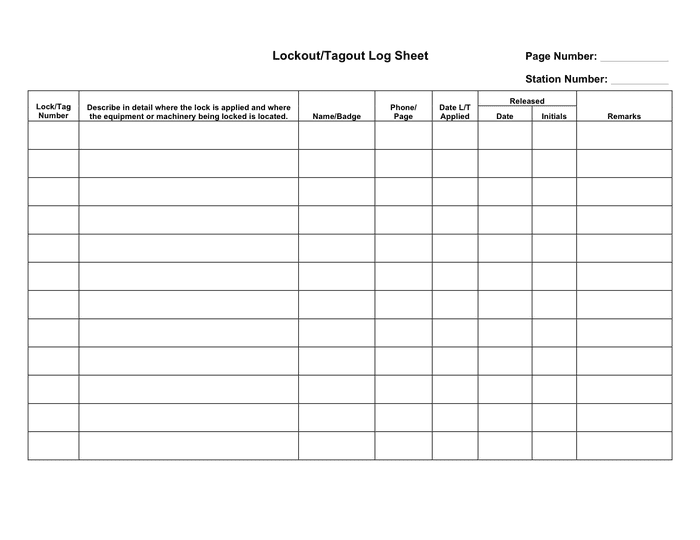
#### 2. Lockout/Tagout (LOTO): One Missing Step Can Kill
Energy sources don’t care about urgency. A rushed LOTO procedure caused 12% of OSHA-cited fatalities in maintenance work.
Focus the talk on: - The difference between “off” and “locked out.” - Testing for zero energy—always verify. - Group LOTO: Who removes the last lock?
Practical example: A mechanic assumed a valve was closed. It wasn’t. High-pressure steam caused severe burns. Checklist reminder: Isolate, Lock, Tag, Test, Verify.
#### 3. Excavation and Trenching: Soil Failure Happens in Seconds
Cave-ins can bury a worker in under 60 seconds. Yet daily inspections are often skipped.

What to cover: - Classify soil type: Is it stable? Has it rained recently? - Is there a safe egress within 25 feet? - Are spoil piles at least 2 feet from the edge?
Pro tip: Use a trench box—even for 5-foot digs. Soil type and moisture change fast.
#### 4. Hot Work and Fire Prevention
Welding, cutting, grinding—these tasks ignite fires when overlooked.
Talk points: - Clear area of combustibles—minimum 35-foot radius. - Fire watch required? For how long after? - Is the extinguisher on-site and charged?
Near-miss example: Sparks fell through a floor opening, igniting cardboard stored below. No one was watching. Action: Assign a fire watch every time, even for “quick” jobs.
#### 5. Slips, Trips, and Falls on Same Level
Often dismissed as “minor,” these account for 25% of all workplace injuries.
Focus on: - Housekeeping: Why clutter accumulates near high-traffic zones. - Footwear: Are soles appropriate for oil, water, or uneven surfaces? - Lighting: Are walkways adequately lit at shift change?
Real case: A worker tripped over a trailing cable, fractured his wrist. The cable was “just left there for now.” Fix: Implement a “clean as you go” rule.
#### 6. Hazard Communication: Labels, SDS, and Know-What-You’re-Using
Chemical exposure doesn’t always burn or fume. Some risks are silent.
Discussion must include: - Reading GHS labels: What do the pictograms mean? - Where are SDS sheets located—and are they up to date? - When is ventilation required?
Example: A cleaner mixed two products “to make it stronger.” Released toxic gas. Rule: Never mix chemicals unless procedure explicitly allows it.
#### 7. Electrical Safety: Voltage Doesn’t Warn You
Electrocution can happen at 50 volts. Yet many still work on live circuits “just to save time.”
Key points: - Test before touch—always assume it’s live. - Use insulated tools and PPE rated for the voltage. - One hand rule: Keep one hand in pocket to avoid chest current path.
Mistake pattern: “I’ve done this 100 times.” Until the 101st. Reinforcement: No task is worth dying for. De-energize.
#### 8. Confined Space Entry: It’s Not Just About Space
Confined spaces kill through atmosphere, engulfment, or entrapment.
Talk must stress: - Permit required? Even for “just a quick look”? - Atmospheric testing: O2, LEL, H2S, CO—before and during. - Attendant must never leave the entry point.
Near-disaster: A worker entered a manhole without testing. O2 dropped to 14%. Rescued in time. Rule: No entry without a permit, monitor, and retrieval system.
#### 9. PPE: Worn, Not Stored
Hard hats on dashboards, gloves in lockers, respirators in toolboxes—PPE only works when used.
Discussion: - Is PPE task-specific? (e.g., cut-resistant vs. chemical gloves) - When should it be replaced? - Why comfort matters: ill-fitting gear gets removed.
Reality check: A worker removed hearing protection because “it hurt.” Noise exposure led to permanent loss. Solution: Offer multiple PPE models. Fit testing isn’t optional.
#### 10. Incident Reporting: Silence Is Dangerous
Only 40% of near-misses get reported. That means 60% of warning signs go unseen.

Ask: - What counts as a near-miss? (e.g., ladder slipping, tool almost falling) - Is reporting easy? Anonymous? - How quickly does leadership respond?
Cultural fix: Praise reporting, not punishment. “Thanks for catching that—let’s fix it.”
How to Run a Toolbox Talk That Sticks
A great topic is useless if the delivery falls flat. Follow this workflow:
- Choose the hazard of the day—not a recycled handout.
- Gather the right people—only those exposed to the risk.
- Start with a question—“What would you do if…?”
- Use visuals—photos of actual site conditions, not clip art.
- End with action—“Inspect X,” “Verify Y,” “Report Z.”
Limit: 15 minutes. Respect their time.
Avoid these: - Reading verbatim. - Covering more than one hazard. - Letting one person dominate.
Instead, make it a conversation—because understanding, not attendance, prevents accidents.
Integrating Toolbox Talks Into Daily Workflow
These shouldn’t be an add-on. They’re part of the job.
Best practices: - Schedule talks at shift start or before high-risk tasks. - Rotate facilitators—empower experienced workers to lead. - Log topics and attendees (not for blame, but tracking). - Review past incidents monthly—turn them into talks.
Example: After a dropped tool incident, conduct a talk on overhead work and tie-off procedures. Then audit compliance the next week.
This closes the loop: incident → discussion → behavior change → verification.
Closing: Turn Talk Into Action
Safety toolbox talks don’t prevent accidents by existing—they prevent them by being specific, timely, and human.
Pick the hazard that’s right in front of you. Ask real questions. Demand real answers. And never let a near-miss go unspoken.
The best safety culture isn’t built on posters or policies. It’s built in the 10 minutes before the work starts—when everyone pauses, looks up, and says, “Let’s do this right.”
Start tomorrow: choose one topic from this list, go to the site, gather the crew, and talk about what could go wrong—and how to stop it.
That’s not just a meeting. That’s prevention in motion.
FAQ
What are the most common toolbox talk topics? Working at heights, LOTO, PPE, slips/trips/falls, and confined space entry are among the most frequently addressed due to their high incident rates.
How long should a toolbox talk last? Ideally 10 to 15 minutes—long enough to cover the hazard, short enough to maintain attention.
Who should lead a toolbox talk? Supervisors, safety officers, or trained crew members. The key is familiarity with the task and site conditions.
Do toolbox talks need to be documented? Yes—recording date, topic, attendees, and key points helps track safety efforts and supports compliance.
Can workers suggest topics? Absolutely. Encouraging worker input increases engagement and targets real, on-the-ground concerns.
Are toolbox talks required by OSHA? While not explicitly mandated, OSHA requires hazard communication and training—which toolbox talks effectively support.
How often should toolbox talks be held? At least weekly on active sites, or before any new or high-risk task begins.
FAQ
What should you look for in Top Safety Toolbox Talk Topics for High-Risk Workplaces? Focus on relevance, practical value, and how well the solution matches real user intent.
Is Top Safety Toolbox Talk Topics for High-Risk Workplaces suitable for beginners? That depends on the workflow, but a clear step-by-step approach usually makes it easier to start.
How do you compare options around Top Safety Toolbox Talk Topics for High-Risk Workplaces? Compare features, trust signals, limitations, pricing, and ease of implementation.
What mistakes should you avoid? Avoid generic choices, weak validation, and decisions based only on marketing claims.
What is the next best step? Shortlist the most relevant options, validate them quickly, and refine from real-world results.